 Faberon
Useful things, quietly made.
Faberon is a product studio building and maintaining apps and tools that are easy to use, work well, and solve real problems.
Selected works
Six ongoing projects.
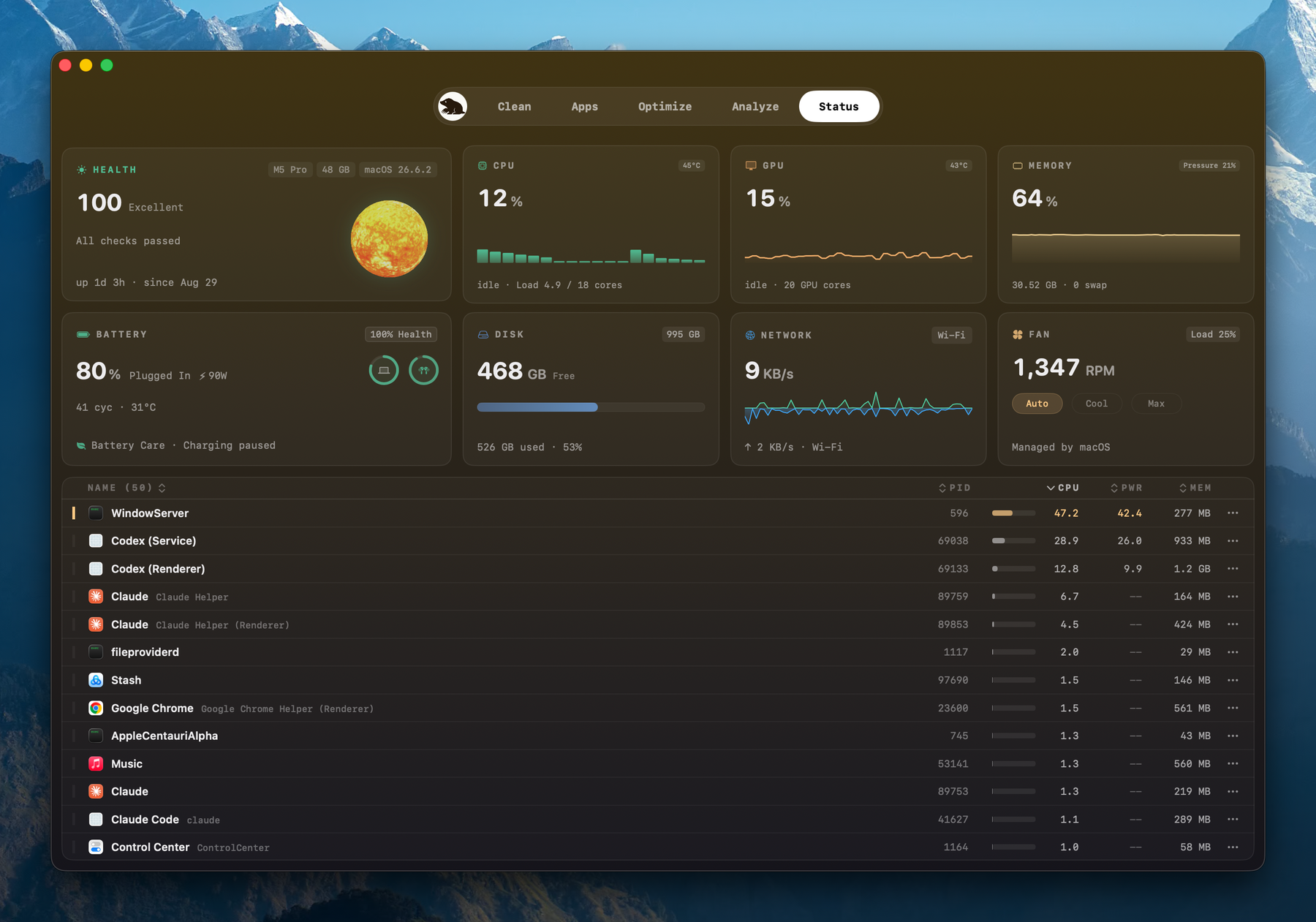
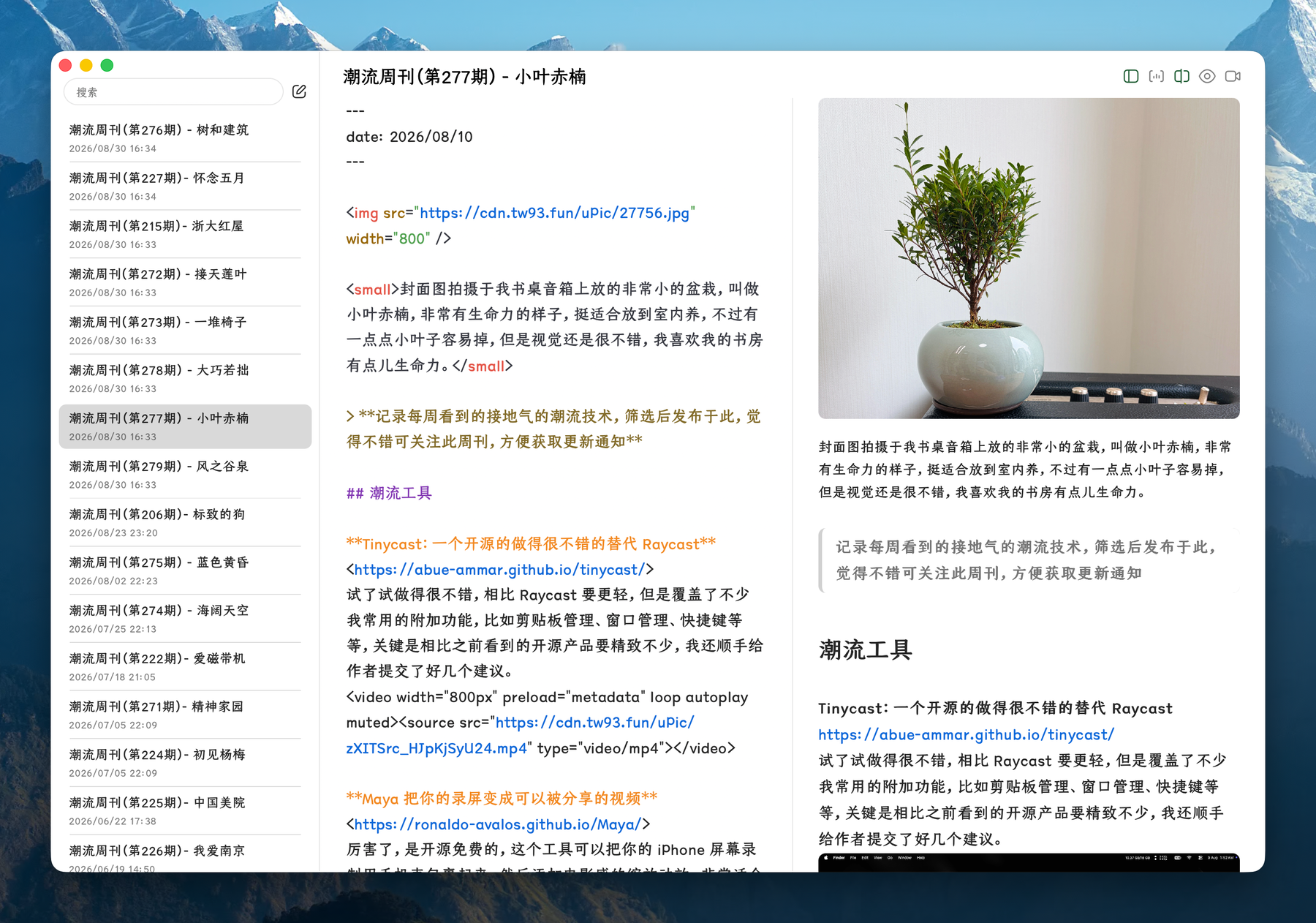
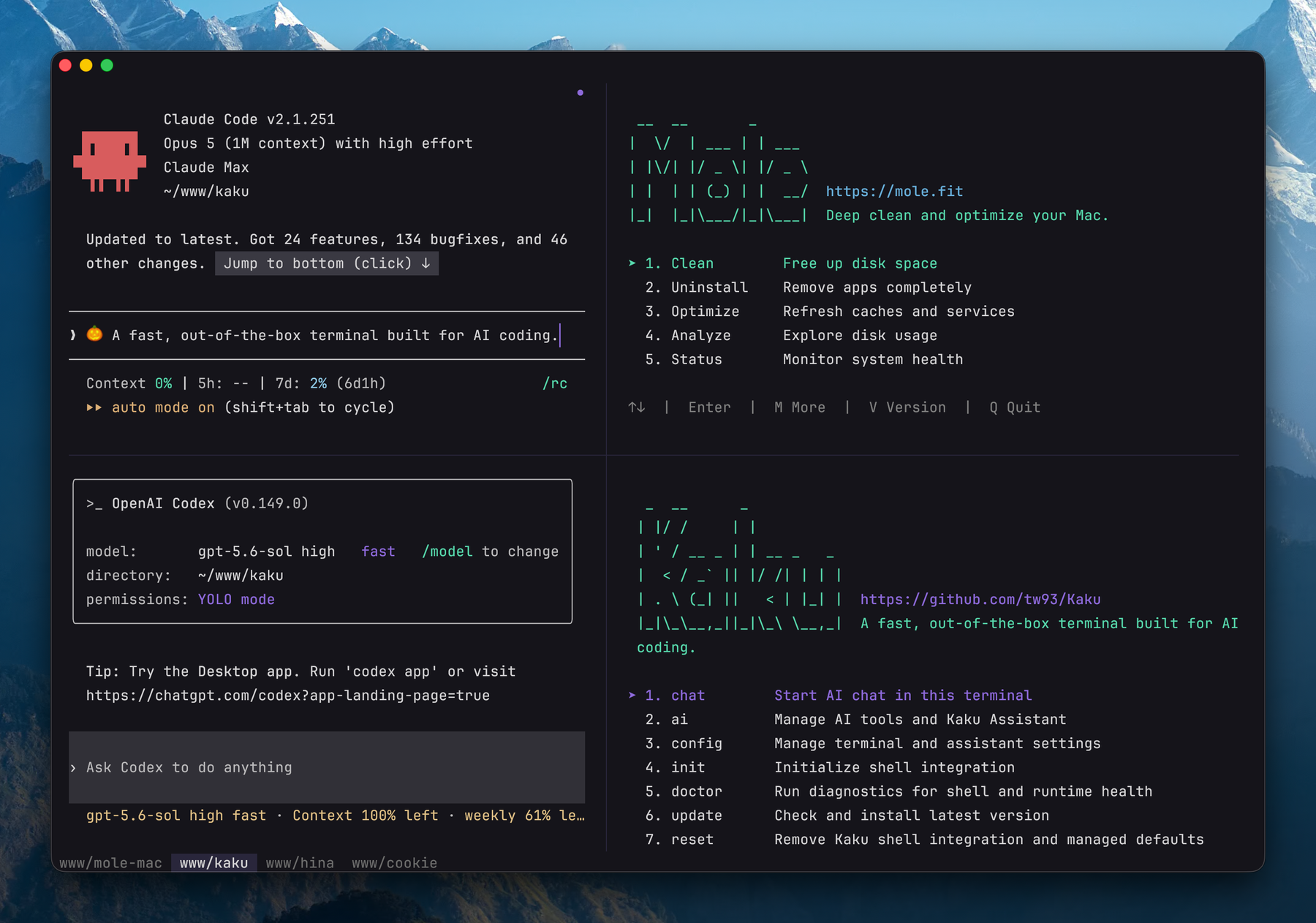
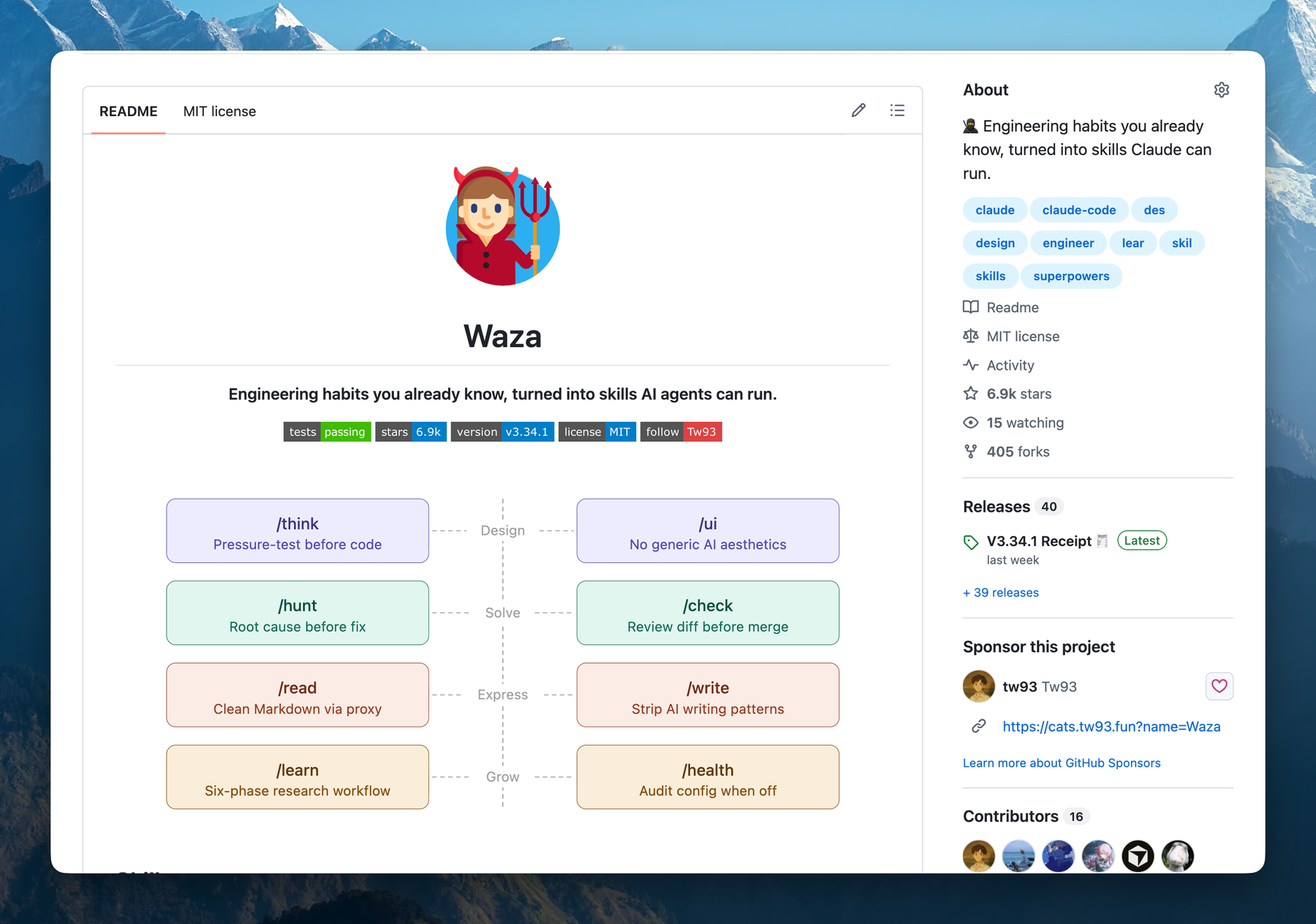
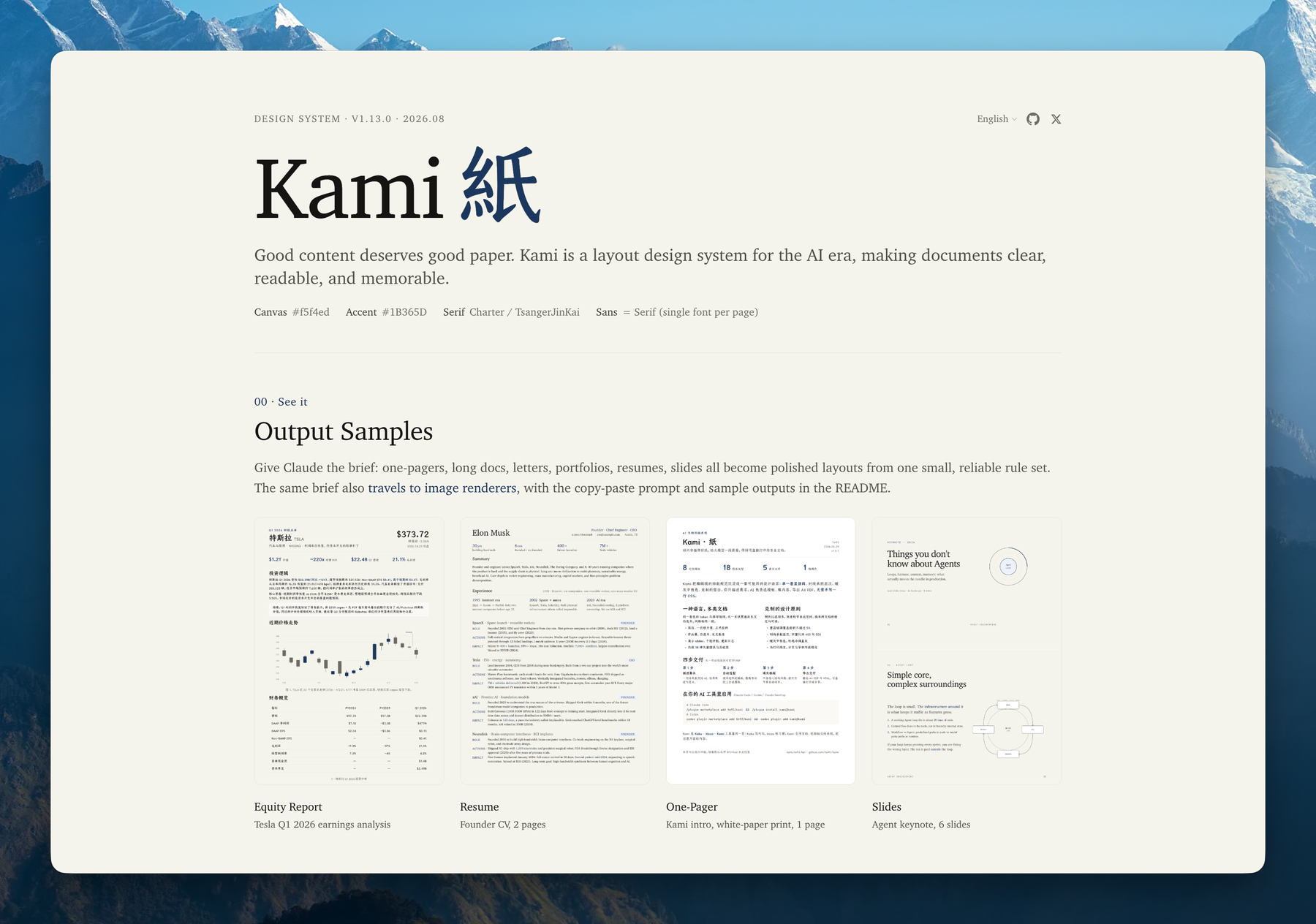
Tools for looking after a Mac, writing, coding, turning websites into apps, and laying out documents.

About

Tw93
- 157K
- 168.6K
- 13.4K
I run Faberon and design, build, and maintain its products. I also share what I learn and keep much of the work open source.
Selected writing
Notes from building products.
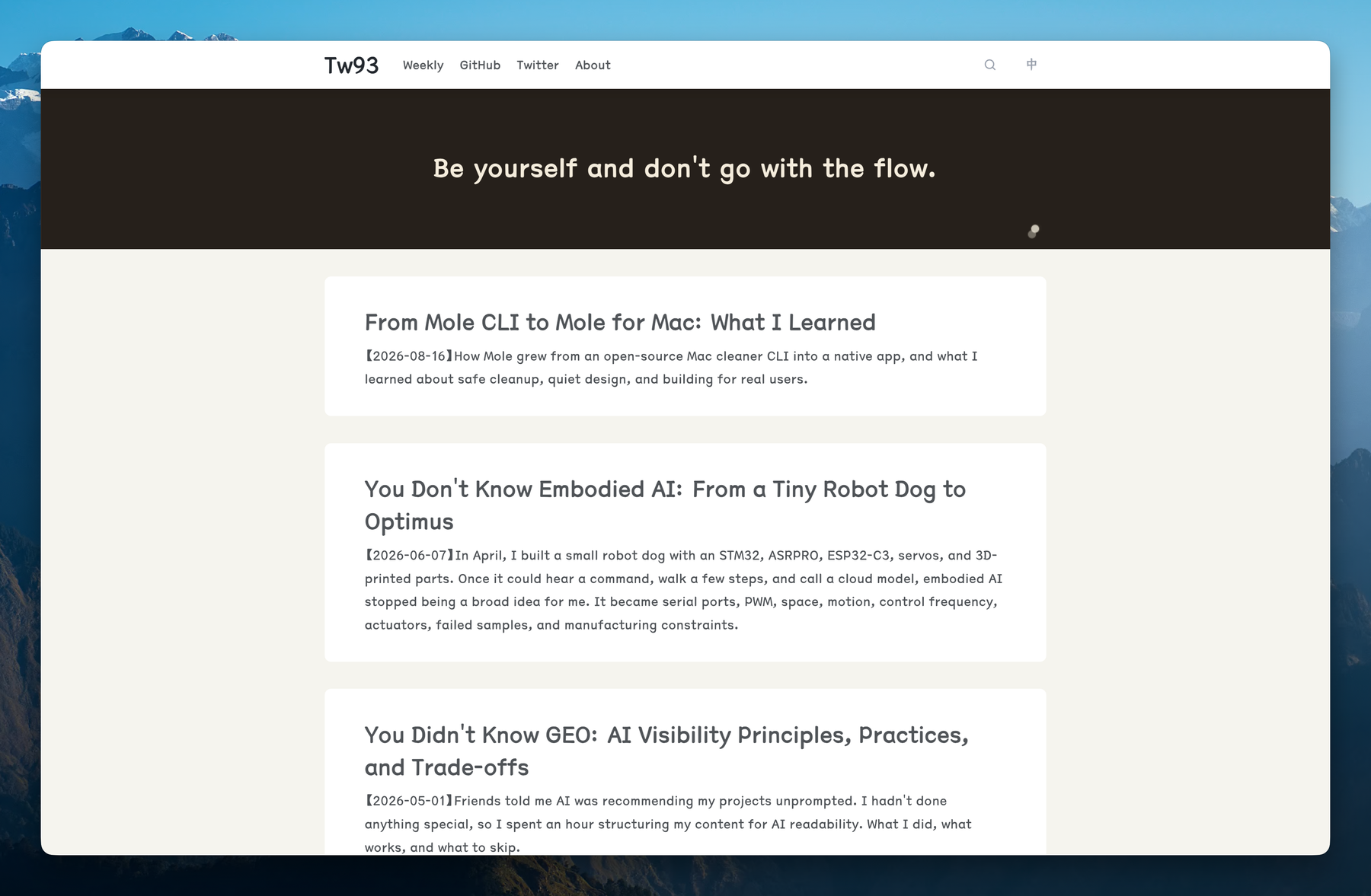
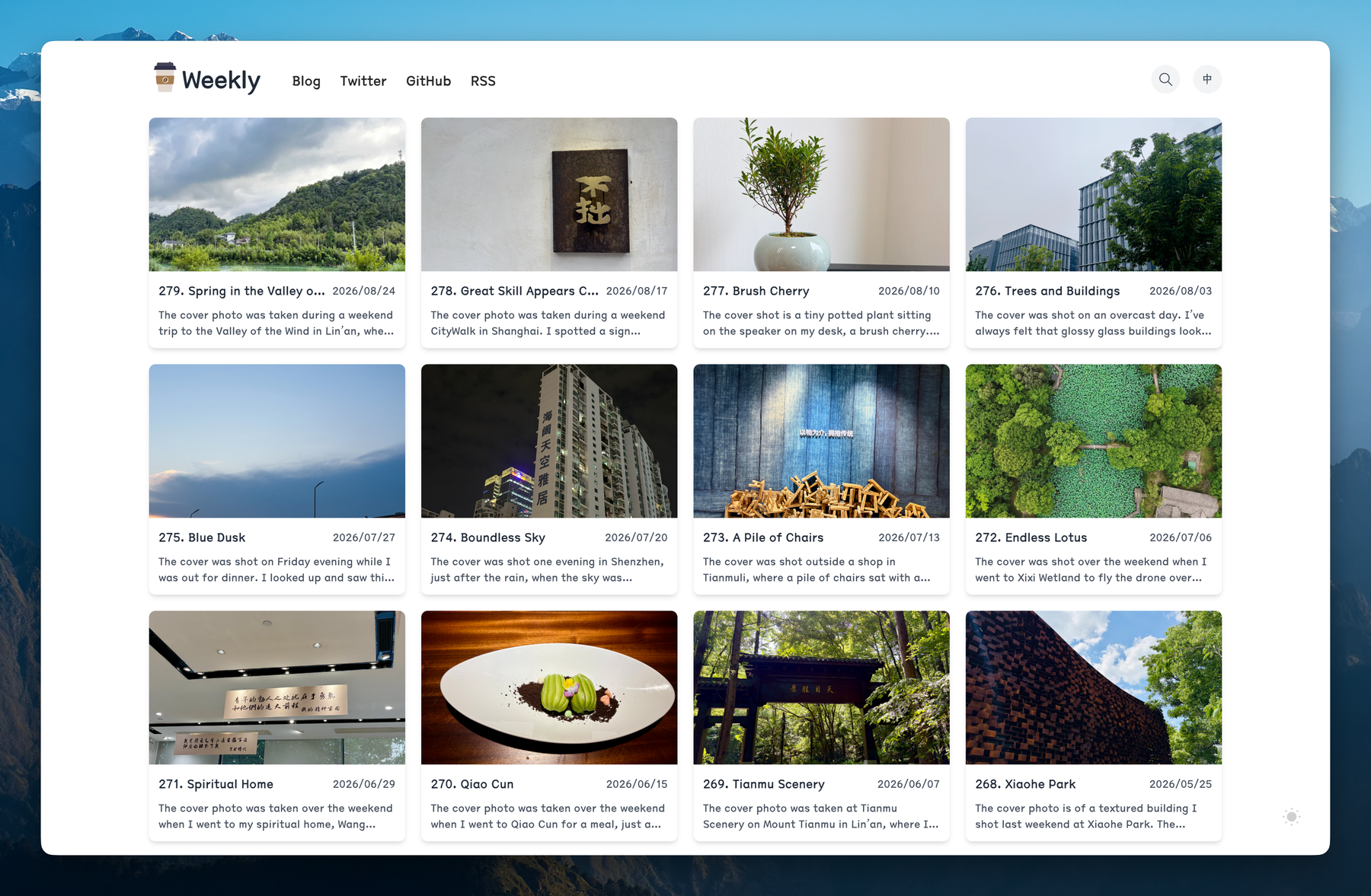
I write about products, AI, and learning on my blog, and share useful finds in Weekly.
Selected essays
- From Mole CLI to Mole for Mac: What I LearnedWhat users taught me about features, interface design, and trust after Mole for Mac launched.
- You Don't Know Embodied AI: From a Tiny Robot Dog to OptimusExploring sensing, control, and embodied AI with a small robot dog.
- You Didn't Know GEO: AI Visibility Principles, Practices, and Trade-offsHow AI finds and recommends products, and what content, structure, and distribution have to do with it.
- You Don't Know AI Coding: A Non-Engineer's Guide to Getting Started, Scenarios, and PracticeTools, workflows, and examples for getting started with AI coding, without a technical background.
- How I Turn Learning Into a Workflow in the AI EraHow I use agents to find sources and organize my learning while making my own judgments.
- You Don't Know LLM Training: Principles, Pipelines, and New PracticesHow language models are trained, from data and training to alignment and newer methods.